
Understanding Arthritis: How Exercise Can Help You Stay Active
Arthritis is a common condition that affects the joints, often leading to pain, stiffness and reduced mobility. It can make everyday tasks like walking, getting out of a chair, or opening jars feel much more difficult. However, research continues to show that exercise plays a vital role in managing arthritis and maintaining your quality of life.
The term “arthritis” refers to more than 100 different joint-related conditions. The most common types include osteoarthritis (OA) and rheumatoid arthritis (RA) – each with its own causes, symptoms and treatment options.
Osteoarthritis (OA)
Osteoarthritis is the most common form of arthritis and typically develops over time due to wear and tear on the joints. It can affect any joint, but often targets the knees, hips, hands and spine.
Contributing factors may include:
- previous joint injuries
- excess weight
- repetitive movements (e.g., occupational tasks or sports)
- ageing
- genetic predisposition
Symptoms of OA often include:
- joint pain during or after movement
- stiffness, particularly after periods of rest
- swelling around affected joints
- reduced flexibility and range of motion
Rheumatoid Arthritis (RA)
Rheumatoid arthritis is an autoimmune condition, meaning the body’s immune system mistakenly attacks healthy joint tissue. Unlike OA, RA commonly affects smaller joints, such as those in the fingers and feet, and tends to present with more systemic symptoms.
Common signs include:
- persistent joint inflammation and swelling
- fatigue
- morning stiffness lasting longer than 30 minutes
- warmth or redness around joints
Other Forms of Arthritis
While OA and RA are the most widely known, there are many other types of arthritis, including:
- Gout
- Ankylosing Spondylitis
- Psoriatic Arthritis
- Spondyloarthritis
Each type presents differently and may require tailored management strategies.
How Exercise Helps
One of the most effective ways to manage arthritis symptoms is through regular, targeted exercise. While it may seem counterintuitive to move more when you’re in pain, the right exercise routine can actually:
- reduce joint pain and stiffness
- improve flexibility and mobility
- strengthen the muscles that support your joints
- enhance your overall energy levels and mood
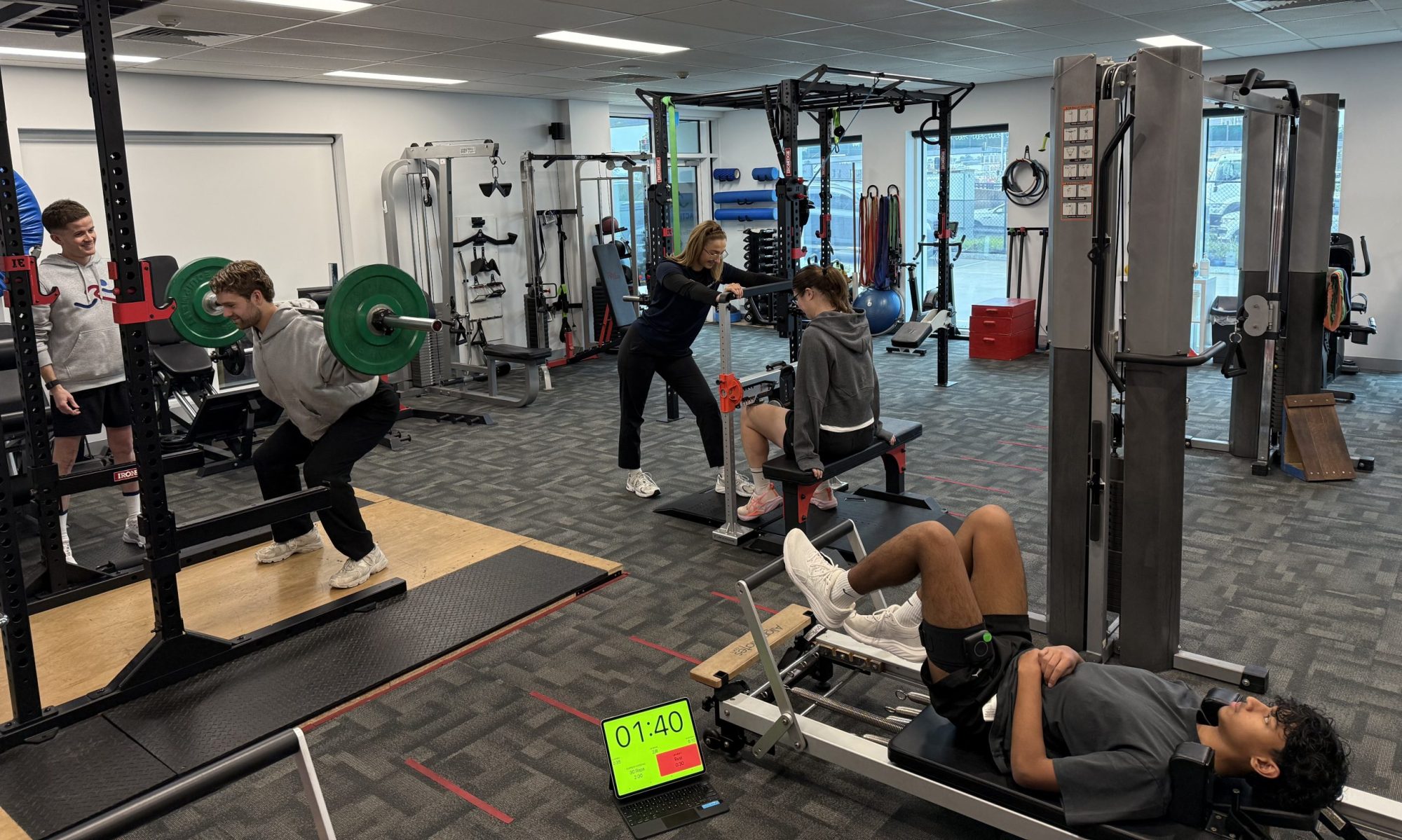
At our clinic, our Accredited Exercise Physiologists are experts in developing personalised exercise programs for individuals living with arthritis. Whether you’re looking to reduce pain, improve your strength, or simply stay active and independent, we can help design a plan that’s safe, effective, and sustainable.
Let’s Get Moving – Together
Living with arthritis doesn’t mean giving up on the things you love. With the right support and a tailored exercise approach, it’s possible to reduce pain and stay mobile.
If you’re unsure where to start, reach out to one of our Exercise Physiologists today to find out how we can support your movement and health journey.