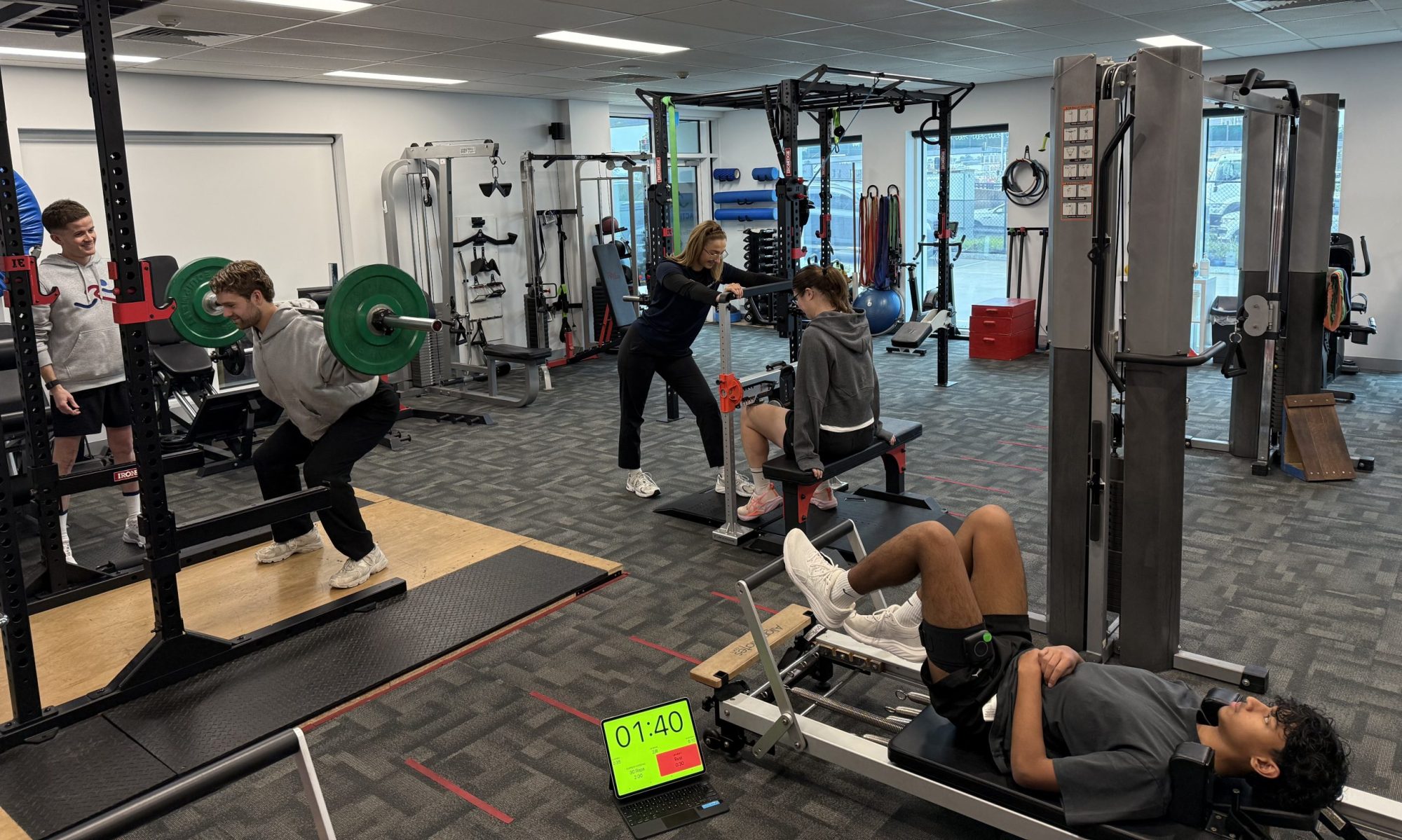

Building Stronger Bones with Targeted Loading
Osteoporosis often goes unnoticed until something breaks — a wrist after a simple fall, a vertebrae after bending forwards, or a hip fracture that changes someone’s independence overnight. It’s not just about “thin bones”; it’s about reduced confidence, fear of falling, and uncertainty about what movement is actually safe.
At Active EP, we see this every week — and the good news is, there’s strong evidence that targeted, progressive exercise can help build stronger bones, improve balance and strength, and reduce fracture risk, even after an osteoporosis diagnosis.
💡 What Osteoporosis Is & Why Exercise Matters
Osteoporosis is a condition where bones lose density and internal structure, becoming more fragile and more likely to break. It’s especially common in the spine, hip and wrist.
As we age (and especially after menopause), bone breakdown can start to outpace bone building. Exercise is the key signal that tells your body to keep investing in bone and muscle strength.
This is why modern osteoporosis guidelines place structured exercise alongside medication and nutrition as essential treatment — not an optional extra.
📚 The Evidence in Plain Language
High-quality trials and guidelines consistently show that progressive resistance and impact-style exercise are some of the most effective non-pharmacological ways to improve bone density and reduce fracture risk.
Medications and supplements matter too — especially for people at higher risk — but without progressive loading, bones don’t get the mechanical stimulus they need to adapt.
⚖️ Where Exercise Fits with Other Osteoporosis Treatments
Exercise works best when paired with other evidence-based treatment options. Here’s how they compare:
| Treatment | What It Does | Limitations | Evidence Summary |
|---|---|---|---|
| Resistance & HiRIT Training | Builds BMD, muscle strength, and improves function. | Requires supervision and graded progression. | Strong evidence from LIFTMOR and multiple RCTs. |
| Impact / Power Exercises | Applies high-magnitude loads to stimulate bone. | Needs careful prescription depending on fracture risk. | Improves bone geometry and structural strength. |
| Pharmacotherapy | Slows bone breakdown; reduces fracture risk. | Side effects possible; requires medical monitoring. | Strong evidence, especially with combined lifestyle strategies. |
| Calcium & Vitamin D | Support bone mineralisation. | Insufficient alone to improve BMD. | Useful as part of a complete plan. |
| Walking | Great for general health and activity. | Load often too low to increase BMD. | Should be combined with targeted loading. |
In short: Exercise = foundation. Medication = support. Nutrition & lifestyle = essential add-ons.
🏥 How Osteoporosis Exercise Works at Active EP
Every program is tailored, but most clients progress through three key phases:
Clients often begin cautiously — worried about lifting or bending — but gradually discover they’re capable of far more than they imagined.
🎯 Common Presentations We Help With
🚫 Myths to Bust
💪 Summary: Science Meets Strength
📅 Ready to Build Stronger Bones?
If you’ve been told you have low bone density or osteoporosis, you don’t need to guess which exercises are safe.
Our Accredited Exercise Physiologists at Active EP design programs tailored to your scan results, confidence and goals — whether that’s returning to gardening, lifting grandkids, or simply feeling steadier on your feet.
Want to know if this approach is right for you?
Reach out to our Active EP team and start building your bone strength with confidence.
References
Watson S. L. et al. (2018). Heavy resistance training is safe and improves bone density in postmenopausal women with low bone mass (LIFTMOR). Osteoporosis International.
Giangregorio L. M. et al. (2014). Osteoporosis exercise guidelines for people with low bone density and fractures. Osteoporosis Canada.
Nikander R. et al. (2010). Targeted exercise and bone structural strength in postmenopausal women. Medicine & Science in Sports & Exercise.
Howe T. E. et al. (2011). Exercise for preventing and treating osteoporosis in postmenopausal women. Cochrane Database of Systematic Reviews.
Beck B. R. et al. (2017). Osteogenic loading programs and bone strength in older adults. Journal of Bone and Mineral Research.